
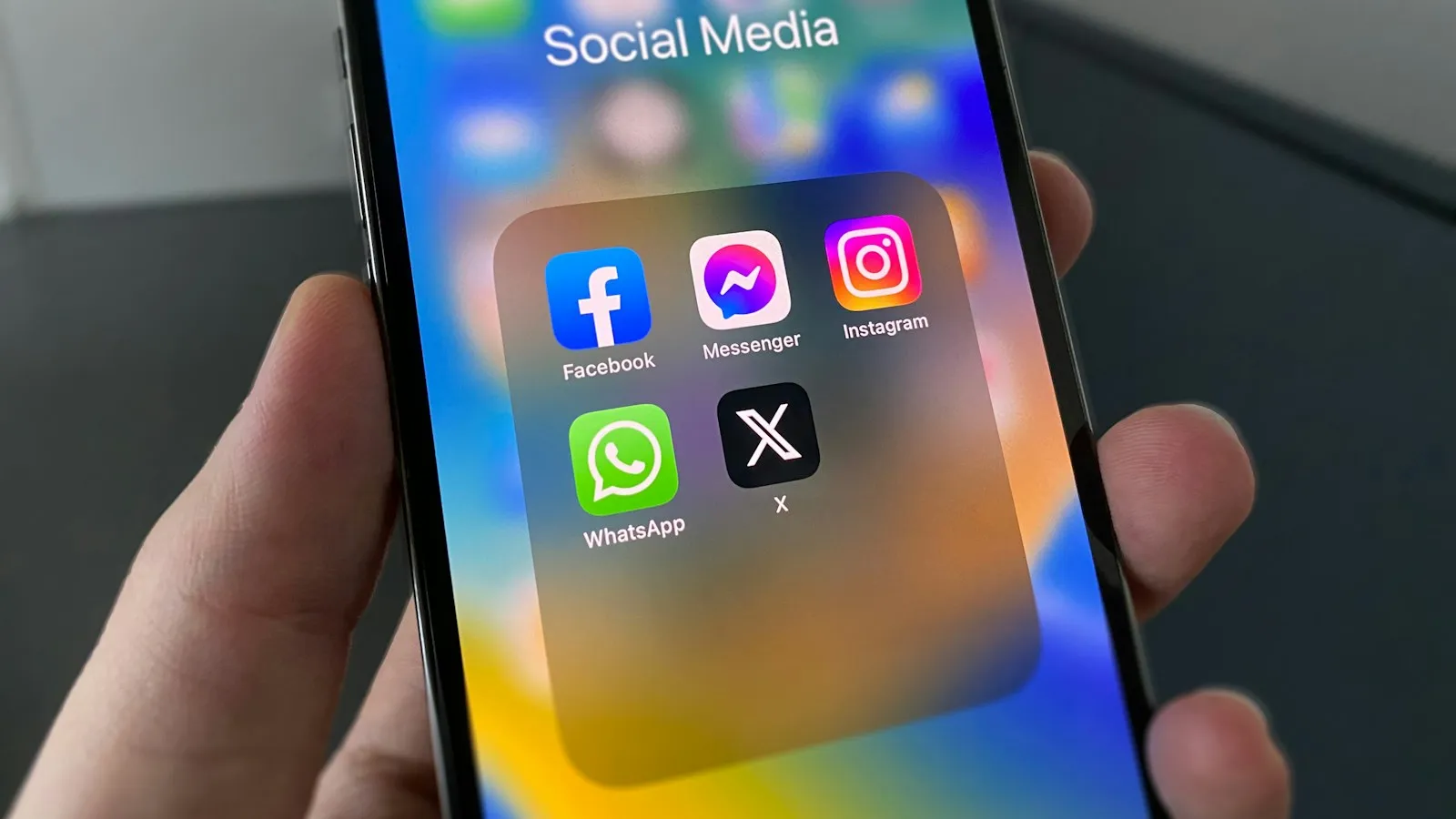
If you have a budget for paid advertising, one of the first questions is where to spend it. For most businesses, the two biggest options are Google Ads and Meta Ads. Both can work very well. They simply work in different ways.
This guide compares the two platforms in plain language, explains when each one makes more sense, and shows how many businesses use them together.
Quick answer: Google Ads reaches people who are already searching for what you sell, so it usually works best for capturing existing demand. Meta Ads reaches people based on their interests and behavior on Facebook and Instagram, so it works best for creating demand and building awareness. Many businesses get the strongest results by using both.
How Google Ads Works
Google Ads shows your ads across Google Search, YouTube, Google Maps, Gmail and a large network of partner websites and apps. The best-known format is the search ad: you choose keywords, and your ad can appear when someone searches for them.
Its biggest strength is intent. A person searching for “emergency plumber near me” or “accounting software for small business” has already told Google what they need. Your job is to be there with a relevant ad and a landing page that makes the next step easy.
The main campaign types are:
- Search: text ads on Google search results
- Performance Max: one automated campaign that runs across all Google channels
- Shopping: product listings with images and prices for online stores
- Video: ads on YouTube
- Display and Demand Gen: visual ads on websites, apps, YouTube and Gmail
How Meta Ads Works
Meta Ads runs across Facebook, Instagram, Messenger and the Audience Network of partner apps. Instead of keywords, you reach people based on location, demographics, interests and behavior, or you let Meta’s system find the people most likely to respond.
Most people scrolling Instagram or Facebook are not looking for a product at that moment, so your ad has to stop them. That makes the creative, meaning the image or video and the first line of text, the most important part of any Meta campaign.
Meta Ads is especially strong for visual products, new brands that people do not know to search for yet, limited-time offers, and retargeting people who have already visited your website.
Google Ads vs Meta Ads: Side-by-Side Comparison
| Factor | Google Ads | Meta Ads |
|---|---|---|
| Customer intent | High: people are actively searching | Lower: people are browsing their feeds |
| Best for | Capturing existing demand | Creating demand and awareness |
| Targeting | Keywords, locations and audiences | Interests, demographics, behavior and lookalike audiences |
| Ad formats | Text, Shopping, video and display | Images, videos, carousels, Reels and Stories |
| Creative needs | Strong ad copy and landing pages | Eye-catching images and videos |
| How you are charged | Usually per click | Usually per 1,000 impressions |
| Funnel stage | Bottom: ready to buy or enquire | Top and middle: discovering and considering |
Costs vary widely by industry, country and competition, so be careful with any general figure you read online. A search click for a legal service in a large city can cost many times more than one for a local bakery. The only reliable way to know your costs is a small, well-tracked test.
When Google Ads Is the Better Choice
- People already search for your product or service
- You offer urgent or high-intent services, such as repairs, legal help or healthcare
- You sell B2B services that buyers research on Google
- You run an online store and want Shopping ads for specific products
- You need leads quickly from a limited budget
When Meta Ads Is the Better Choice
- Your product is new and people do not know to search for it yet
- Your offer is visual, such as fashion, food, interiors, beauty or travel
- You want to build awareness in a specific area or audience
- You run promotions, events or product launches
- You want to remind website visitors to come back and buy
Using Google Ads and Meta Ads Together
The two platforms are not really competitors, because they cover different moments in the customer journey. A common approach is to use Meta Ads to introduce your brand to the right audience, then use Google Ads to capture those people when they later search for your service or your brand name. Retargeting on both platforms keeps you in front of visitors who did not convert on their first visit.

To make this work, both platforms need accurate data. Set up conversion tracking before you spend: the Google tag and conversion actions for Google Ads, and the Meta Pixel with the Conversions API for Meta. Without tracking, the algorithms cannot optimize, and you cannot tell which ads actually bring in customers.
Tips for Getting Started
- Define one clear goal. Calls, form leads, bookings or online sales. One campaign, one main goal.
- Start with one platform. If your budget is small, begin where your customers’ intent is strongest, then expand.
- Send traffic to a focused landing page. Not your homepage. The page should match the ad and make the next step obvious.
- Give campaigns time to learn. Both platforms use automated bidding that needs data, so avoid big changes every day.
- Review results every week. Judge campaigns on cost per lead or sale, not on clicks or likes.
Frequently Asked Questions
Which is cheaper, Google Ads or Meta Ads?
Meta Ads often has a lower cost per click, but Google Ads clicks usually come from people with stronger intent. The better question is which platform gives you a lower cost per customer, and that depends on your industry, your offer and your landing page.
Can I run ads with a small budget?
Yes. Both platforms let you set a daily budget that suits you. With a small budget, focus on one platform, one goal and a narrow audience or tight group of keywords, so your data is not spread too thin.
Should I manage ads myself or hire an agency?
Many business owners start on their own and learn a lot. Hiring specialists makes sense when your spend grows, when results stall, or when your time is better spent running the business. A good agency is transparent about results and leaves you in full ownership of your ad accounts.
Choosing the Right Platform
If people already search for what you sell, start with Google Ads. If you need to create demand, or your product sells on visuals, start with Meta Ads. As you grow, running both together with proper tracking usually gives the best return.
Our team manages Google Ads and Meta Ads campaigns for businesses around the world, with tracking set up from day one. Book a free strategy call and we will help you decide where your budget will work hardest.